Good Comms | Inclusive leadership & communication

Better world

Posts covering social justice, sustainable development, ethical AI, evidence-based behaviour change, and purpose-driven organisations.

Silhouette of a person using a smartphone surrounded by digital binary code projections.

AI is more than ChatGPT: time for mature AI conversations in communication

When AI comes up in communication circles, one name dominates the conversation within seconds: ChatGPT. But when AI equals ChatGPT in our minds, we’re not just limiting our toolkit, we’re limiting our thinking about what responsible, inclusive communication in the AI age actually means. This post explores why ChatGPT tunnel vision is problematic, what alternatives exist, and how communication professionals can think more broadly and strategically. From privacy risks to missed innovations, from vendor lock-in to ethical considerations: discover why a single tool isn’t enough and how to make conscious choices that align with your values and working style.

AI is more than ChatGPT: time for mature AI conversations in communication Read More »

Better world
Cover image for the IABC EMENA Region Podcast. The green IABC logo appears on the left. The text reads “EMENA Region Podcast with Simon Cavendish & Chared Verschuur.” On the right side are two hosts: a smiling man in a dark shirt and a smiling woman wearing glasses, a pink blazer, and earrings, both against a white background with light green digital dots.

On change, trust, and conversations that matter

This episode marks my final one as host of the IABC EMENA podcast and I couldn’t have asked for a better guest. I sat down with Simon Cavendish, new Chair of IABC EMENA, to talk about the human side of leading change. From trust and transparency to the IKEA effect, we explored how internal comms shapes transformation and why involvement matters more than perfection. While I’m stepping away from this podcast, I’m not done podcasting. I’ll be continuing the conversation over at my own Good Comms podcast, where we’ll keep asking better questions about leadership, inclusion, and communication that makes a difference.

On change, trust, and conversations that matter Read More »

Belonging, Better world, Bridging
An artisan sketches designs at a workbench in a woodworking shop filled with tools.

A practical framework for responsible AI in communication (Part 3 of 3)

How do you develop both layers needed to use AI responsibly in communication? This practical framework addresses foundational professional skills first, then layers on AI augmentation skills. The path forward is clear: either rush into adoption without support and watch work quality decline, or commit to strong foundations and use AI to amplify genuine expertise. Leading organizations like Amazon and IBM model this approach, ensuring baseline competence before advanced AI capabilities.

A practical framework for responsible AI in communication (Part 3 of 3) Read More »

Better world
Businesswoman in a plaid jacket using a laptop and sticky notes for work planning.

The baseline skills needed for responsible AI use (Part 2 of 3)

Most AI training programs overlook a fundamental truth: teaching prompt engineering won’t help people use AI responsibly without foundational skills to recognize what good communication looks like. AI operates like Michelangelo’s chisel. It didn’t make him a master sculptor, it allowed him to execute expertise he’d already developed. The principle is simple: strong baseline skills multiplied by AI equals enhanced productivity. Weak baseline skills multiplied by AI equals scaled problems. Effective AI upskilling requires two distinct layers: foundational professional skills first, then AI augmentation skills. You cannot skip Layer 1.

The baseline skills needed for responsible AI use (Part 2 of 3) Read More »

Better world
Bold 'Mind the Gap' text on a subway platform, emphasizing passenger safety.

Responsible AI in communication starts with the right foundation (part 1 of 3)

As an inclusive leadership and communication consultant, I believe in “communication for good”. Communication that creates understanding, builds bridges, and breaks barriers. Workslop is the opposite. Recent research shows 40% of workers received low-quality AI content last month, costing nearly two hours per incident to fix. But we’re diagnosing the wrong disease. This isn’t about the tool. It’s about the skills gap. The real conversation we should be having isn’t “Is AI good or bad?” but “How do we support everyone in using it well?”

Responsible AI in communication starts with the right foundation (part 1 of 3) Read More »

Better world
Een hand houdt verschillende glanzende parels in zachte tinten wit, roze en grijs boven een doos met vakjes vol parels. De parels zijn ongelijk van vorm en grootte, wat hun natuurlijke en authentieke karakter benadrukt.

Echte parels: over authenticiteit en leiderschap dat glanst van binnenuit

Toen mijn zoon een parel vond en vroeg of ze echt was, liet ik hem voelen: een echte parel is een beetje ruw, een neppe is glad. Dat moment bleef hangen. Want hoe vaak doen we op het werk alsof we echt zijn, terwijl we eigenlijk gepolijst gedrag tonen? Het lijkt veilig, maar het doet ons geen goed. Authentiek leiderschap glanst niet omdat het perfect is, maar omdat het oprecht is. Echte parels, en echte leiders, ontstaan door wrijving.

Echte parels: over authenticiteit en leiderschap dat glanst van binnenuit Read More »

Belonging, Better world, Bridging
Vibrant 3D rendering depicting the complexity of neural networks.

Internal communication and the missing link in fostering neuroinclusive leadership

After a recent conversation with internal communication professional and researcher May Oostrom-Kwok, I found myself thinking more deeply about the role we play in making neuroinclusion a reality. May’s research explores how internal communication can support line managers in fostering a neuroinclusive workplace. Her findings are a powerful reminder that inclusion doesn’t start with a policy. It starts with trust, dialogue, and the everyday actions of people leaders. This post reflects on what I learned from her study, and why it matters now more than ever.

Internal communication and the missing link in fostering neuroinclusive leadership Read More »

Belonging, Better world, Bridging
A diverse group of hands wearing colorful friendship bracelets in unity.

BDEI myths and how they spread

2025 has become the year of backlash. Against BDEI, against justice, and, apparently, against facts. From false claims of reverse discrimination to political spin that blames inclusion for everything from job loss to social division, misinformation is being repeated so often it’s starting to sound true. This blog unpacks the most common myths about BDEI and social justice backed by data, not drama. If you’re tired of opinion pieces dressed up as fact, this one’s for you.

BDEI myths and how they spread Read More »

Belonging, Better world, Bridging
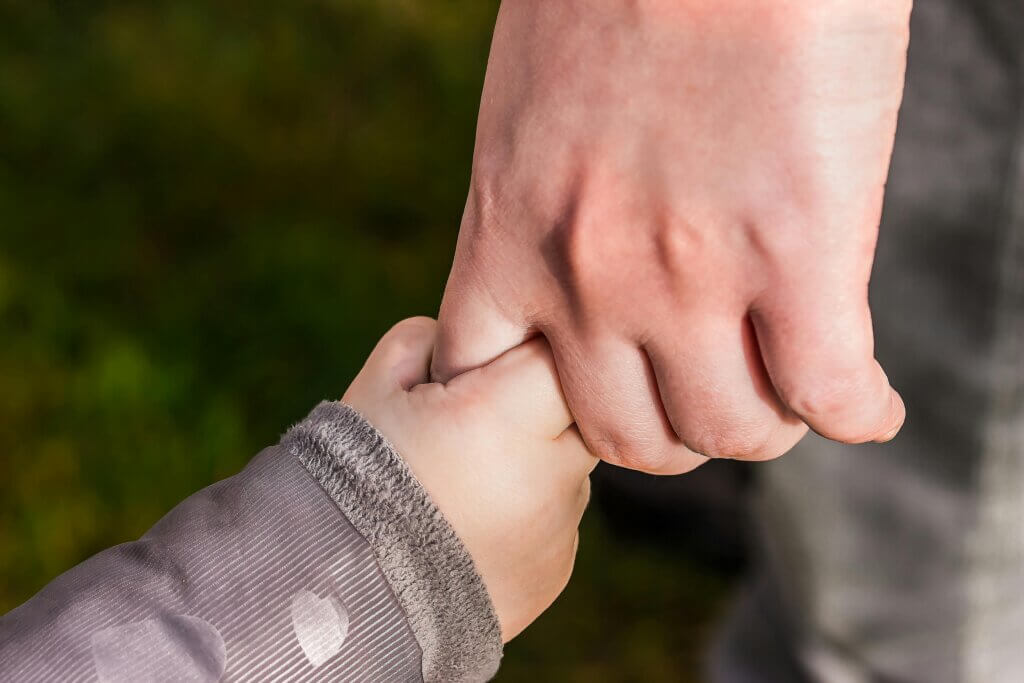
A close-up of a child and parent holding hands in a park, symbolizing love and trust.

Everything I needed to know about behaviour, I learned from parenting

After eight years of parenting and over two decades in communication, I’ve realised the most powerful lessons on human behaviour came not from a classroom or conference but from my own child. In this post, I share some key insights that apply as much to toddlers as they do to workplace programmes: connect before you correct, validate emotions without accepting all actions, teach the skill (don’t just assume the will), and above all: make it easy. Because behaviour change isn’t about being smarter. It’s about being more human.

Everything I needed to know about behaviour, I learned from parenting Read More »

Better world
error: Website copy is protected.